
Efficient communication between healthcare providers and patients is the crux of a healthcare system. The inclusion of technology and digital tools from the modern world are paving the way for efficient communication processes that promote trust, satisfaction, and safety across caregivers and those seeking medical help.
Today, tools like electronic health records eliminates poor communication and negative impacts on medical facilities, allowing a healthcare team to communicate with a patient’s expectations and needs on a regular basis. Simultaneously, digital solutions such as AI-based chatbots, QR Codes, telemedicine, patient portals, mobile medical apps, and email campaigns are creating positive patient experiences.
Through AI-driven assistants and accessible QR codes, healthcare professionals and patients alike, are fostering enhanced transparency in care approaches. The increasing mobility of healthcare applications are also streamlining the consultation, diagnosis, and treatment by making it easier for users to safely access sensitive health information and save significant time. Another key trend is the skyrocketing adoption of patient portals that enable physicians to collect real-time patient health data and offer personalized care plans.
Currently, the healthcare technology sector is moving toward equipping caregivers and patients with highly efficient technologies to advance their communication processes.
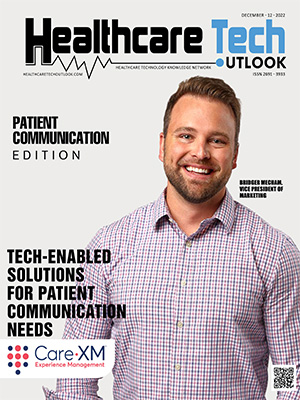
This edition of Healthcare Tech Outlook highlights several key players in the patient communication solutions landscape. The issue edition includes thought leadership articles from Ann Blanchard, Director Patient Access and Capacity Management, Nebraska Medicine, Ashley Letsinger, Director of Operations, Ochsner LSU Health, and Eric Wilcox, D.O. and Family Medicine Specialist for Rochester Regional Health. The edition also features patient communications expert, Holista, which provides cutting-edge, and technologically-enabled solutions that revolutionize the delivery and payment aspects for patients, providers, and payers with a value-based healthcare delivery model. It also showcases state-of-the-art companies like CareXM, a provider of telephone triage and patient care services that streamline client operations and improve protocols for delivering professional medical care.